
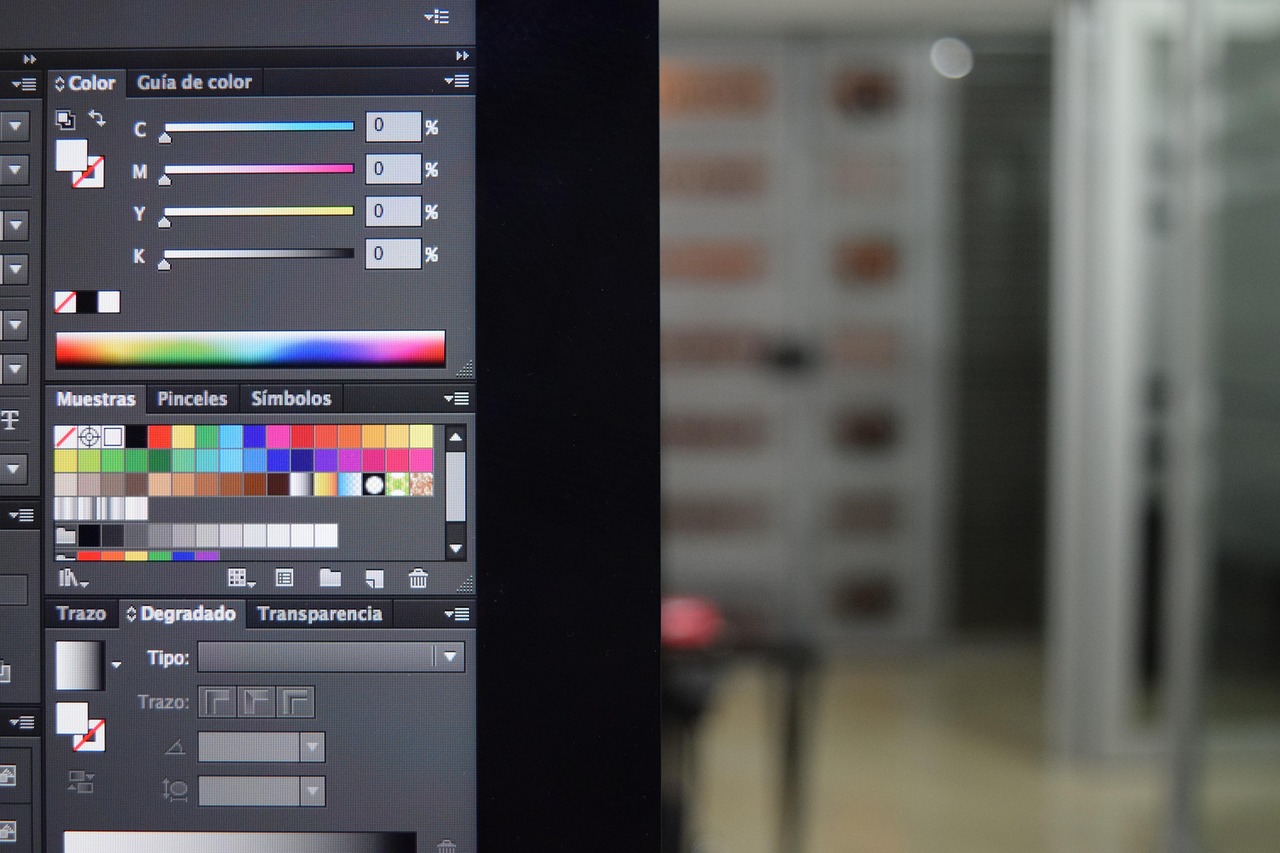
Multilingual desktop publishing (DTP) is the process of adapting translated content to match the original layout, formatting, and design while ensuring the final product is linguistically accurate, visually consistent, and culturally appropriate for the target audience. It is a critical step in global communication, ensuring that translated materials are not only correct in language but also professional and ready for print or digital use.
Translation is more than a word-for-word exchange. Different languages vary widely in length, structure, writing systems, and reading direction, all of which can significantly impact layout and design. Multilingual DTP bridges the gap between translation and final delivery by ensuring that translated text fits seamlessly into the original design without compromising readability or brand integrity.
Why DTP Is Essential in Translation
One of the primary challenges in multilingual publishing is text expansion and contraction. Some languages require more words or characters to express the same idea, resulting in text expansion, while others are more concise and condense meaning into fewer characters, causing text contraction. These variations are influenced by grammatical structure, vocabulary, and writing systems, such as ideographic languages where a single character can represent an entire concept.
In addition, certain language, such as Arabic, Farsi, Hebrew, Kurdish, Pashto, and Urdu—are read from right to left (RTL) and require significantly more handling during the DTP process. These languages necessitate flipping the page layout, adjusting paragraph flow, repositioning images and graphics, and using specialized fonts that support proper character shaping and ligatures.
Without proper DTP, these differences can break layouts, disrupt spacing, or distort visual balance. Our skilled DTP team anticipates and manages these challenges by creating adaptive layouts that accommodate language variability while maintaining consistency with the original design.
What Multilingual DTP Involves
Our desktop publishing in translation goes beyond reflowing text. It includes:
- Adjusting layouts to accommodate text expansion or contraction
- Flipping page layouts and mirroring design elements for right-to-left languages
- Repositioning images, tables, and navigation elements to align with RTL reading order
- Modifying font size, spacing, and line breaks without compromising readability
- Selecting appropriate fonts that support accented characters, non-Latin scripts, and RTL languages
- Adapting cultural elements such as symbols, colors, and graphics
- Ensuring brand consistency across all language versions
Our DTP specialists also verify that all text within graphics, captions, charts, and images has been translated and correctly placed. This attention to detail ensures that no content is overlooked during localization.
Why DTP Matters for Global Content
Effective multilingual DTP plays a crucial role in delivering high-quality translated materials. It ensures that:
- Design integrity is maintained: The final product looks polished and professional, preserving the original visual intent and protecting brand image.
- Text variations are handled properly: Layouts are adjusted to accommodate language differences without breaking the design.
- Visual clarity is ensured: Text, graphics, and formatting remain clear, readable, and culturally appropriate for the target audience.
- Language-specific needs are addressed: DTP accounts for right-to-left languages such as Arabic, Farsi, Hebrew, Kurdish, Pashto, and Urdu, as well as accented characters, proper ligatures, hyphenation, and correct line breaks.
- Content is delivery-ready: DTP is the final step after translation, editing, and proofreading, resulting in print-ready or screen-ready files that require minimal to no further adjustments.
Key Responsibilities of DTP Professionals
Our professional DTP team typically handles:
- Layout adaptation: Adjusting margins, spacing, and design elements to fit translated text
- RTL layout management: Flipping page orientation and mirroring visual elements for right-to-left languages
- Quality control: Checking for formatting consistency, alignment, and accuracy
- Verification of translated content: Ensuring all text, including embedded graphics and captions, is translated
- File management: Working with multiple formats such as Adobe InDesign, Illustrator, and Photoshop
- Final review: Performing visual and functional checks to ensure the document meets quality standards
The Final Step in the Translation Process
Multilingual DTP ensures that translated content is not only accurate but also visually effective and culturally relevant. By aligning translated text with the original design, accommodating text expansion or contraction, and addressing the additional complexities of right-to-left languages, DTP delivers a final product that communicates clearly, maintains brand consistency, and is ready for global distribution.
Partner with a team that understands language, design and printing. Contact us today for a consultation and see how professional multilingual DTP can elevate your translated content.

Maximize Your Success
Partner with us to craft a customized approach that ensures your message is heard clearly and effectively around the globe.
Leave a Reply